
Beyond the Screen
.png)
Why Traditional Games and Activities are Golden in the Early Years
By Sara Naylor
In a world increasingly dominated by digital delights, it is easy for traditional games and activities to be overlooked. However, for children in the Early Years, classics such as jigsaw puzzles, card games including Go Fish, and board games such as Ludo and Snakes and Ladders, along with threading, lacing and Fuzzy Felt, offer a host of developmental benefits that digital alternatives often cannot replicate. Far from being outdated, these activities are powerful tools for fostering crucial skills, particularly those vital for pre-writing development, during an essential stage of growth.
Jigsaws, Threading and Lacing
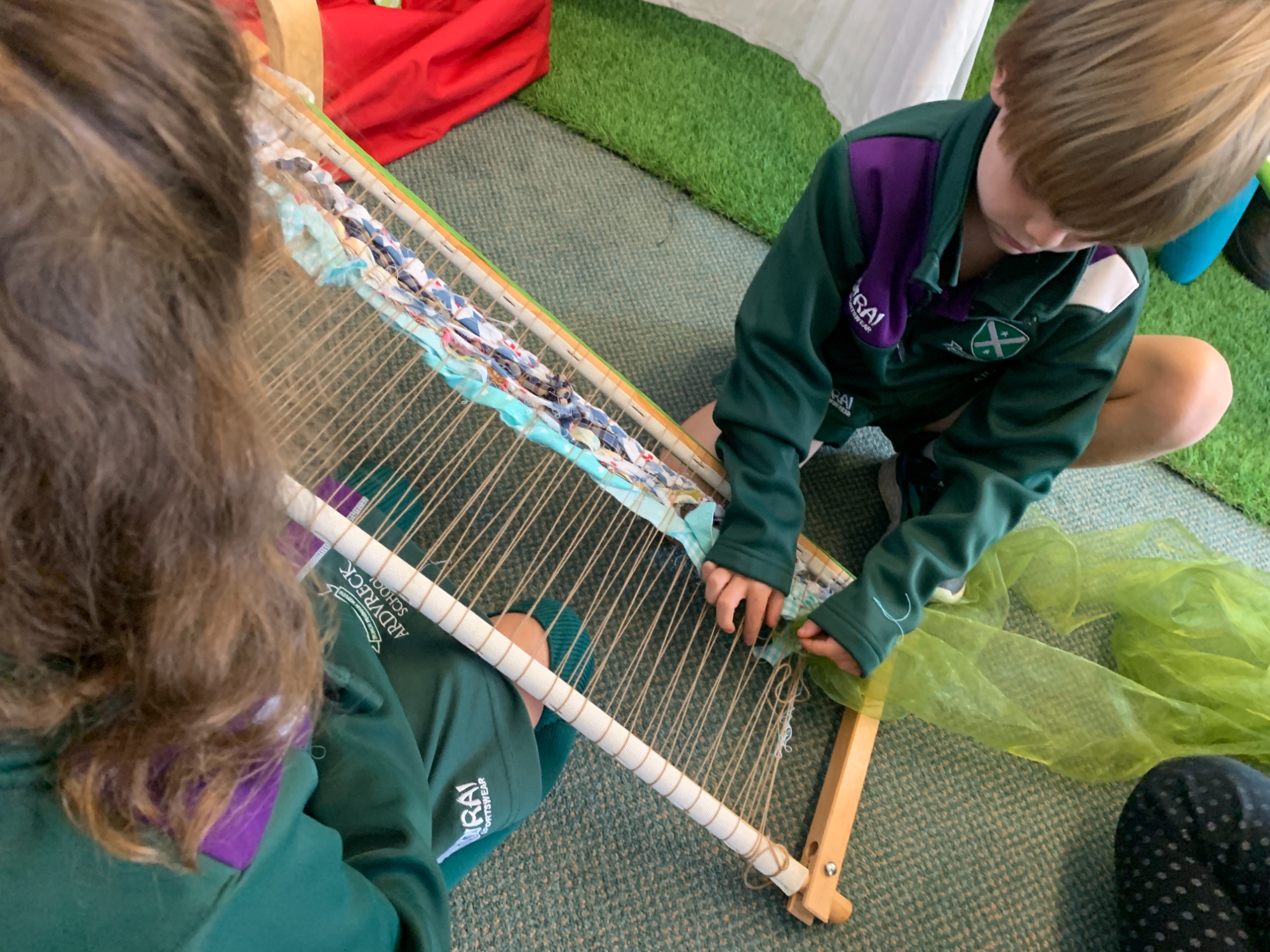 These activities are champions for developing fine motor skills and hand–eye coordination. For a nursery-aged child, the precise grip needed to pick up a puzzle piece, thread a bead onto a string, or push a lace through a hole provides a significant workout for the small muscles in their hands and fingers. This intricate control, along with the ability to coordinate what their eyes see with what their hands do, is absolutely fundamental.
Imagine trying to write if you cannot hold a pencil steadily or guide it accurately across the page. Strong fine motor skills enable children to grip a mark-making tool correctly, apply appropriate pressure, and form precise shapes. Excellent hand–eye coordination allows them to visually track their pencil as they write letters and words, ensuring they remain within lines and connect strokes effectively. These seemingly simple play activities build the neural pathways and muscle memory essential for legible handwriting.
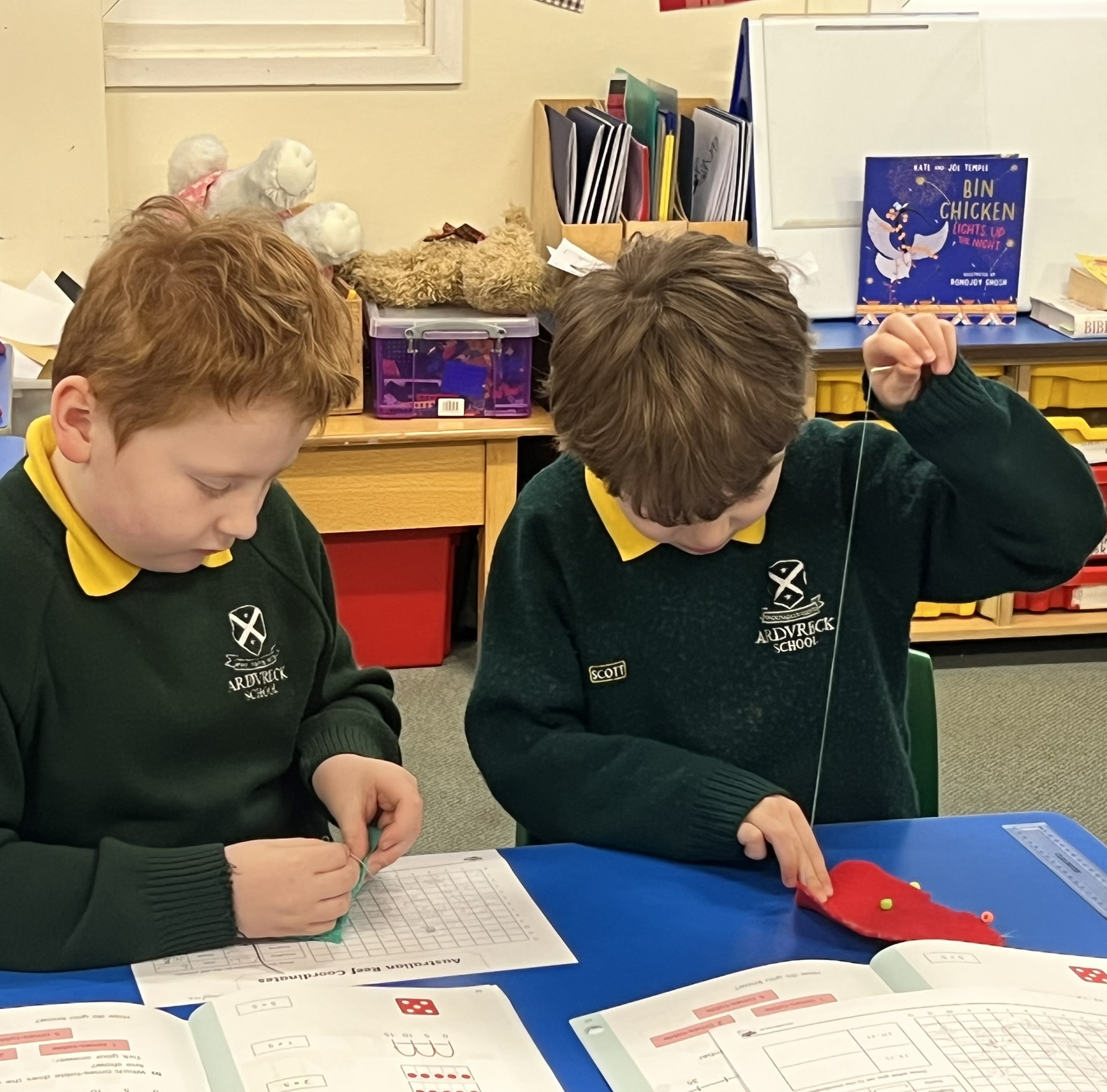 Furthermore, activities such as lacing boards and larger puzzles often encourage crossing the midline. This refers to the invisible line that divides our body into left and right halves. When a child reaches across their body with one hand to manipulate an object on the opposite side (for example, lacing from left to right with their right hand), they are “crossing the midline”. This is a crucial developmental milestone that integrates both sides of the brain, improving communication between the hemispheres. For pre-writing, crossing the midline means a child can smoothly write a sentence from left to right across a page without having to switch hands or awkwardly reposition their body. It contributes to the fluid, coordinated movements necessary for writing longer words and sentences.
Fuzzy Felt and sticker books offer similar benefits. Placing small felt shapes or stickers onto a background requires precision and spatial awareness. Children practise manipulating small objects, improving their pincer grasp – another critical fine motor skill. They also engage their creativity, which, while not a direct pre-writing skill, supports imaginative storytelling that often goes hand in hand with written expression.
Card Games and Board Games
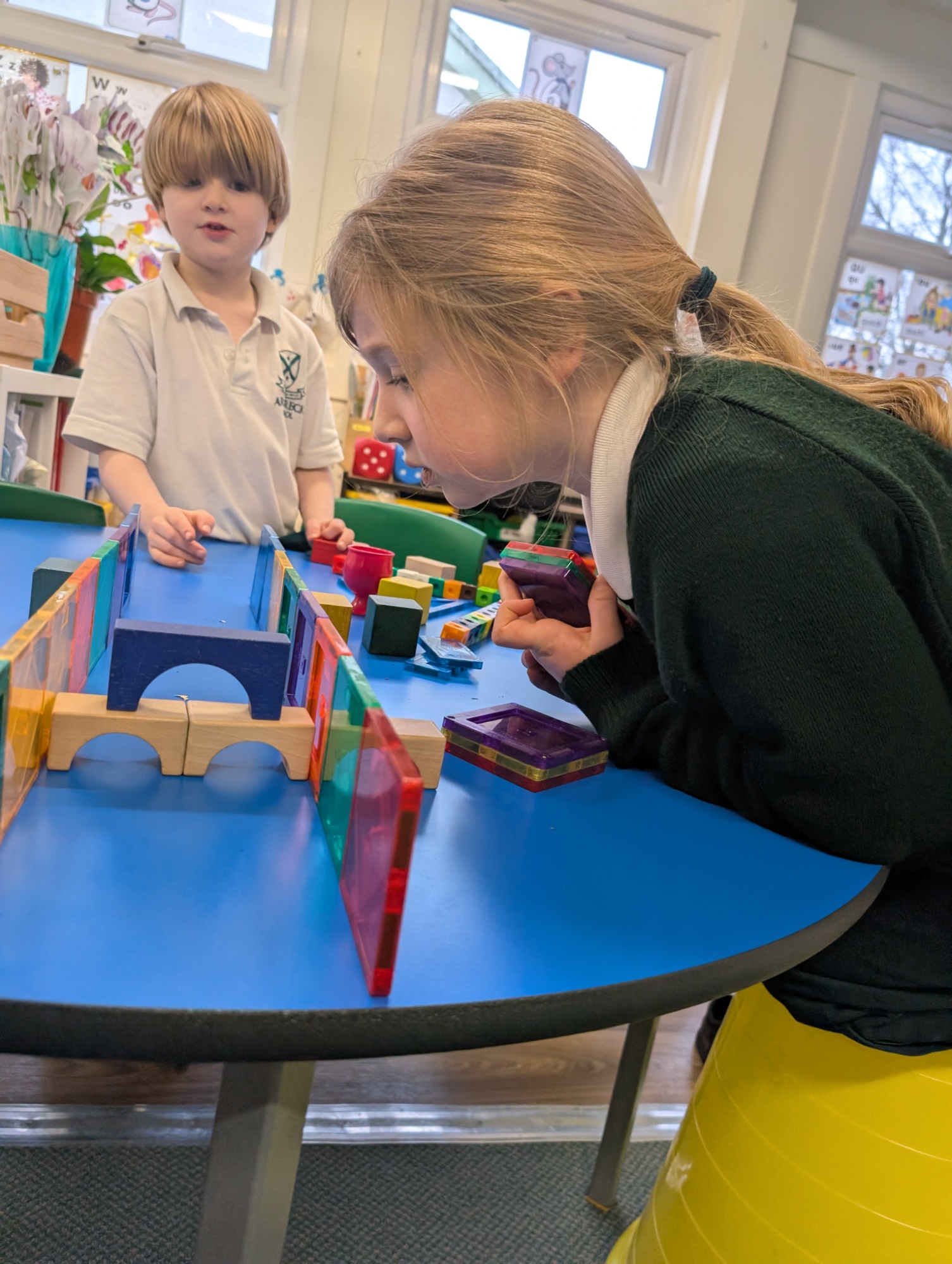 Beyond these specific motor skills, games such as Dobble, Snap, Go Fish and Happy Families are excellent for nurturing early numeracy skills and memory. Children learn to recognise numbers and practise matching and categorising. These games encourage verbal communication, turn-taking and following rules – all foundational social skills.
Similarly, board games such as Snakes and Ladders are effective in teaching a range of cognitive and social skills. Rolling the dice and moving their counter helps to consolidate counting abilities. They reinforce rule-following, understanding consequences, and foster patience and resilience.
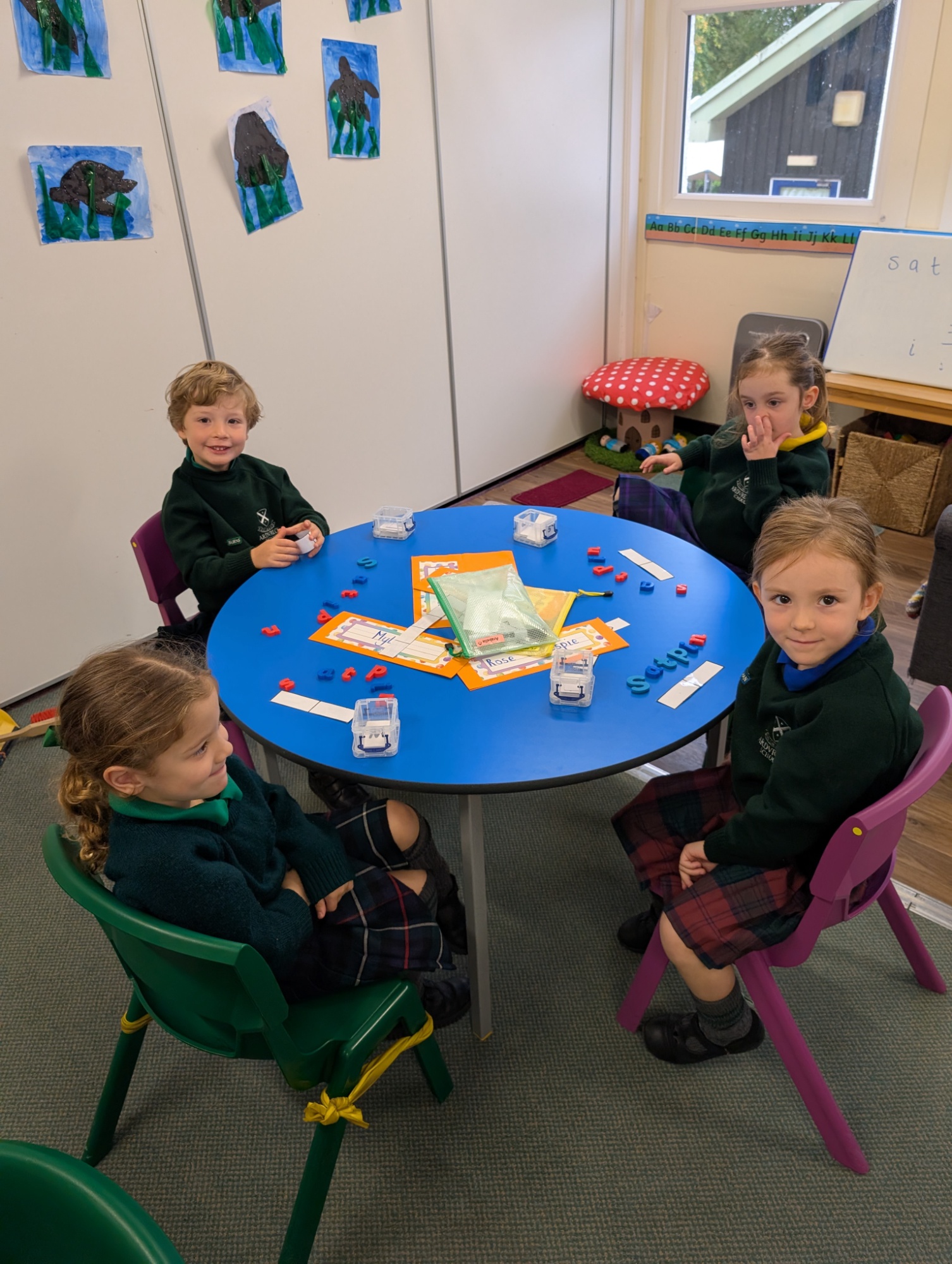 What truly sets these traditional games and activities apart is the rich face-to-face interaction they provide. Unlike solitary screen time, these activities often involve family members or friends, creating valuable opportunities for bonding, laughter and shared experiences. Parents and carers can observe their children’s thought processes, offer guidance and celebrate successes, thereby strengthening relationships.
In essence, these “old-fashioned” pastimes are far more than simple entertainment; they are powerful learning tools wrapped in fun. They equip children with essential cognitive, social, emotional and, crucially, physical skills that are vital for effective pre-writing development, laying a strong foundation for future academic success and healthy social growth. So, the next time you are looking for an activity for your pre-schooler, consider dusting off those traditional favourites – the benefits are truly timeless.